No. 188 Jinliu Road, High-tech Zone, Jinshan District, Shanghai City, China +86-15001719145 sales@seize-air.com
Follow Us -
News

How Does an All-In-One Air Compressor Work and Why Does It Matter?

2026-07-06 0 Leave me a message

Article Summary:

An All-In-One Air Compressor integrates compression, air storage, filtration, and control systems into a single compact unit. This article explains how it works, why it is increasingly preferred in industrial and commercial environments, and how it helps solve common challenges such as space limitation, energy inefficiency, maintenance complexity, and unstable air supply. You will also find a structured breakdown of components, applications, selection guidance, and frequently asked questions to support better decision-making.

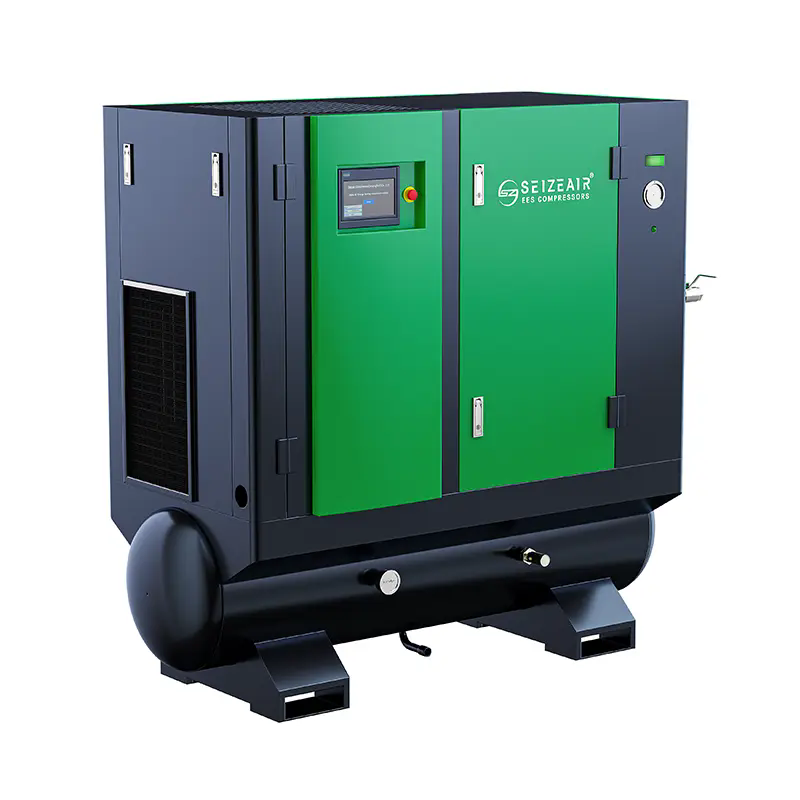
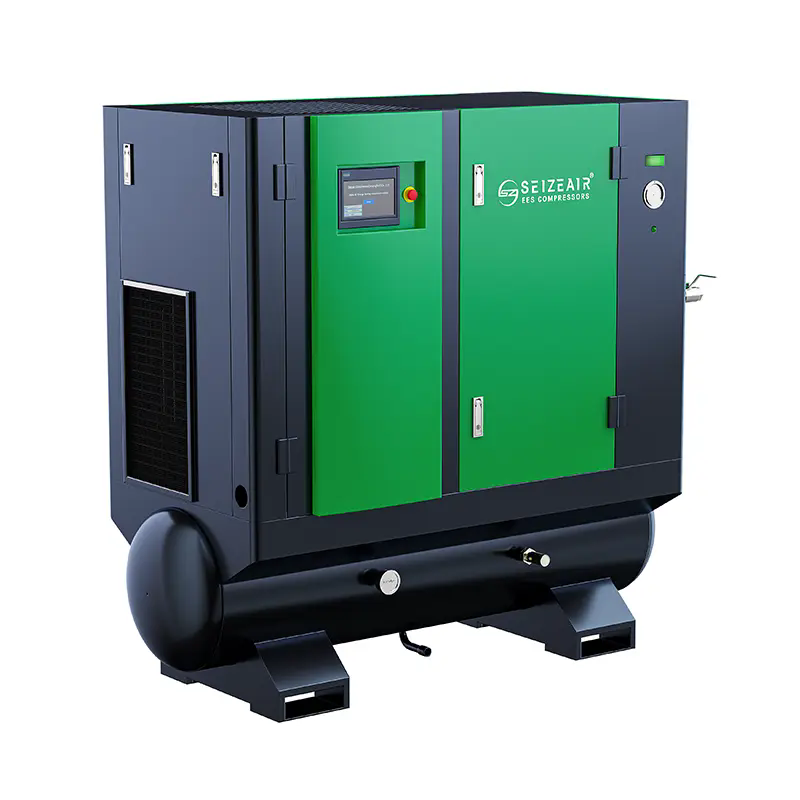
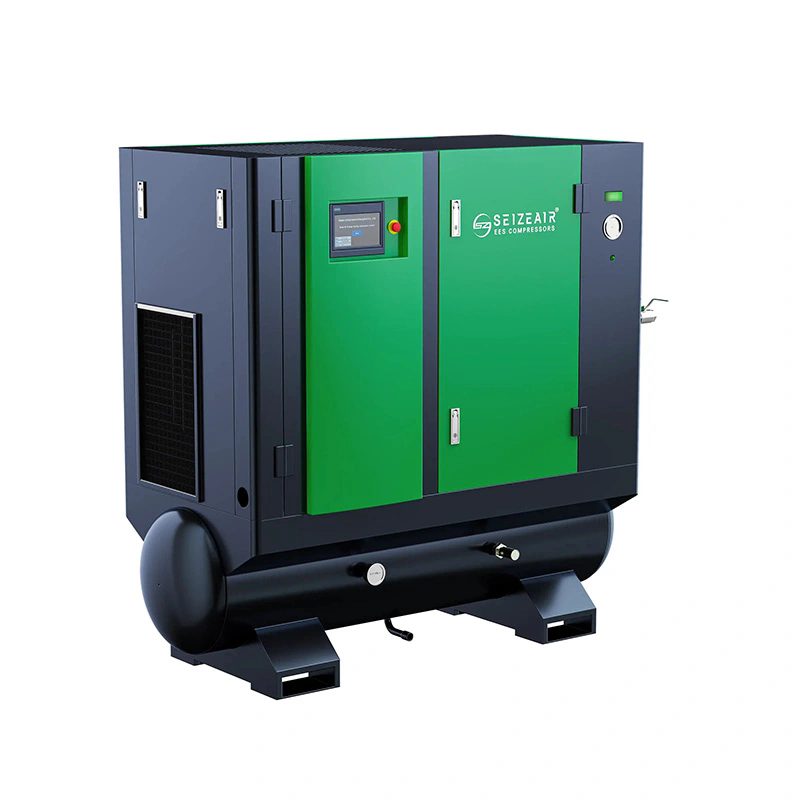
Skid Mounted All-In-One Air Compressor

Table of Contents


1. Introduction to All-In-One Air Compressor Systems

In modern manufacturing and industrial operations, compressed air is a critical utility powering tools, machinery, and automation systems. Traditional setups often require multiple separate devices such as compressors, air receivers, dryers, filters, and control panels. This fragmented configuration increases installation complexity and operational inefficiency.

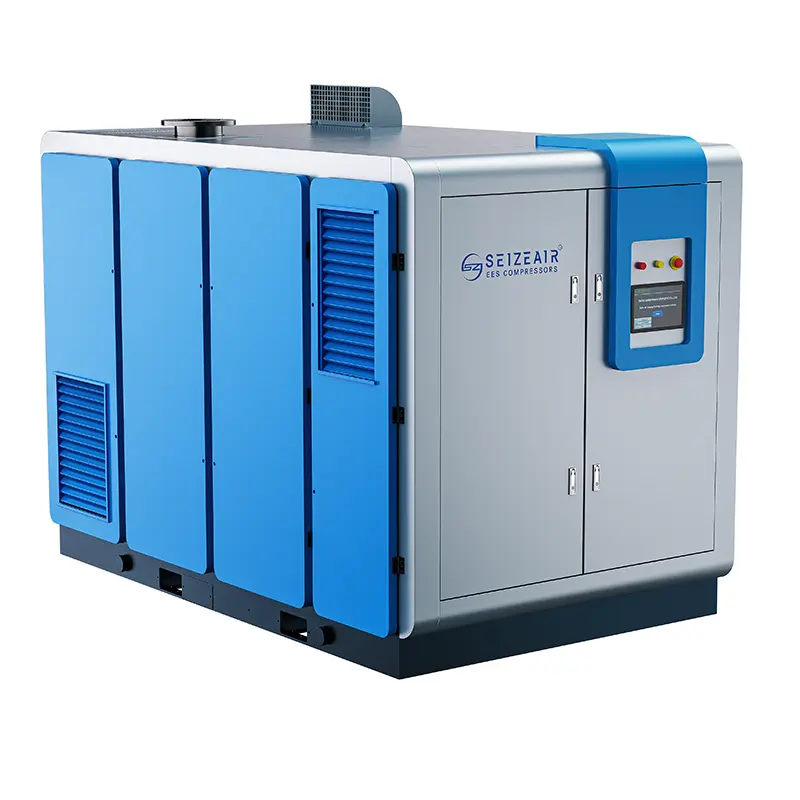
An All-In-One Air Compressor solves these challenges by integrating all essential air system components into a single unified structure. This compact engineering approach reduces footprint, simplifies operation, and improves system stability. It is widely adopted in industries where space, reliability, and energy efficiency are key priorities.


2. Working Principle Explained

The working principle of an All-In-One Air Compressor is based on a continuous cycle of air intake, compression, cooling, storage, and purification.

  • Air Intake: Ambient air is drawn into the compressor through an intake filter system.
  • Compression Stage: The air is compressed using a screw or piston mechanism, increasing pressure levels.
  • Cooling Process: Heat generated during compression is reduced via integrated cooling systems.
  • Air Storage: Compressed air is stored in a built-in tank ensuring stable pressure output.
  • Filtration & Drying: Moisture, oil, and particles are removed before air is delivered to end-use equipment.
  • Control System: Smart sensors regulate pressure and optimize energy consumption automatically.

This integrated workflow ensures that air quality and pressure remain consistent, which is critical for precision manufacturing and automated production lines.


3. Core Components Breakdown

Understanding the internal structure helps clarify why All-In-One systems are more efficient than traditional setups.

Component Function Benefit
Compressor Unit Generates compressed air Stable air pressure output
Air Tank Stores compressed air Ensures continuous supply
Air Dryer Removes moisture Prevents corrosion and damage
Filtration System Removes dust and oil particles Improves air purity
Control Panel Monitors and regulates system Energy optimization and safety

The integration of these components eliminates the need for external piping networks and reduces potential leakage points.


4. Key Advantages and Practical Benefits

Businesses increasingly choose All-In-One Air Compressors due to their operational and financial advantages.

  • Space Efficiency: Compact design reduces installation footprint significantly.
  • Lower Installation Cost: No need for multiple separate system components.
  • Energy Optimization: Intelligent control reduces unnecessary power consumption.
  • Improved Air Quality: Built-in filtration ensures cleaner output air.
  • Reduced Maintenance: Centralized system simplifies servicing and inspections.
  • Operational Stability: Consistent pressure improves machine performance.

These advantages make the system especially valuable for factories aiming to modernize production infrastructure while controlling operational costs.


5. Industrial and Commercial Applications

All-In-One Air Compressors are widely used across multiple sectors due to their flexibility and reliability.

  • Automotive manufacturing and assembly lines
  • Food and beverage packaging systems
  • Electronics production environments
  • Textile machinery operations
  • Pharmaceutical manufacturing facilities
  • General industrial automation systems

In these environments, stable compressed air supply is essential for maintaining production accuracy and avoiding costly downtime.


6. Traditional vs All-In-One Systems

Feature Traditional System All-In-One Air Compressor
Installation Complex multi-unit setup Single integrated unit
Space Requirement Large footprint Compact design
Maintenance Multiple service points Centralized maintenance
Energy Efficiency Moderate Optimized with smart controls
Air Quality Depends on external filters Integrated purification system

7. How to Choose the Right System

Selecting the correct All-In-One Air Compressor depends on operational requirements and environmental conditions.

  • Air Demand: Evaluate total air consumption of your equipment.
  • Pressure Requirements: Ensure compatibility with machinery specifications.
  • Duty Cycle: Consider continuous or intermittent usage patterns.
  • Space Availability: Confirm installation area constraints.
  • Energy Consumption: Prioritize systems with variable speed control.

A properly selected system improves efficiency and extends equipment lifespan.


8. Maintenance Considerations

While All-In-One systems reduce maintenance complexity, regular servicing remains essential.

  • Replace air filters periodically to maintain airflow quality.
  • Inspect cooling systems to prevent overheating.
  • Drain condensate from air tanks to avoid moisture buildup.
  • Check control systems for software or sensor calibration updates.
  • Ensure proper lubrication in mechanical components where applicable.

Routine maintenance ensures stable performance and prevents unexpected downtime in production environments.


9. Frequently Asked Questions

Q1: What makes an All-In-One Air Compressor different?

It integrates multiple air system components into a single compact unit, reducing complexity and improving efficiency.

Q2: Is it suitable for large-scale factories?

Yes. It can be configured for both small workshops and large industrial facilities depending on capacity requirements.

Q3: Does it save energy compared to traditional systems?

In most cases, yes. Smart control systems adjust output based on demand, reducing unnecessary energy consumption.

Q4: How often does it require maintenance?

Maintenance intervals depend on usage intensity, but generally require less frequent servicing than multi-component systems.

Q5: Can it improve product quality?

Yes. Stable and clean air supply reduces defects in production processes that rely on pneumatic systems.


10. Conclusion and Contact Information

The All-In-One Air Compressor represents a significant advancement in compressed air technology. By integrating key system components into a unified structure, it addresses common industrial challenges such as inefficiency, space limitations, and maintenance complexity. Its adoption is increasingly driven by the need for stable performance, reduced operational costs, and improved air quality.

Seize International Trading (Shanghai) Co., Ltd. provides professionally engineered All-In-One Air Compressor solutions designed for modern industrial applications. With a focus on reliability and performance optimization, the company supports global clients across diverse manufacturing sectors.

If you are looking to upgrade your compressed air system or need expert guidance on selecting the right configuration, we are ready to assist you.

Contact us today to explore customized solutions and technical support tailored to your production needs.

Related News
Leave me a message
X
We use cookies to offer you a better browsing experience, analyze site traffic and personalize content. By using this site, you agree to our use of cookies. Privacy Policy
RejectAccept