No. 188 Jinliu Road, High-tech Zone, Jinshan District, Shanghai City, China +86-15001719145 sales@seize-air.com
Follow Us -
Products
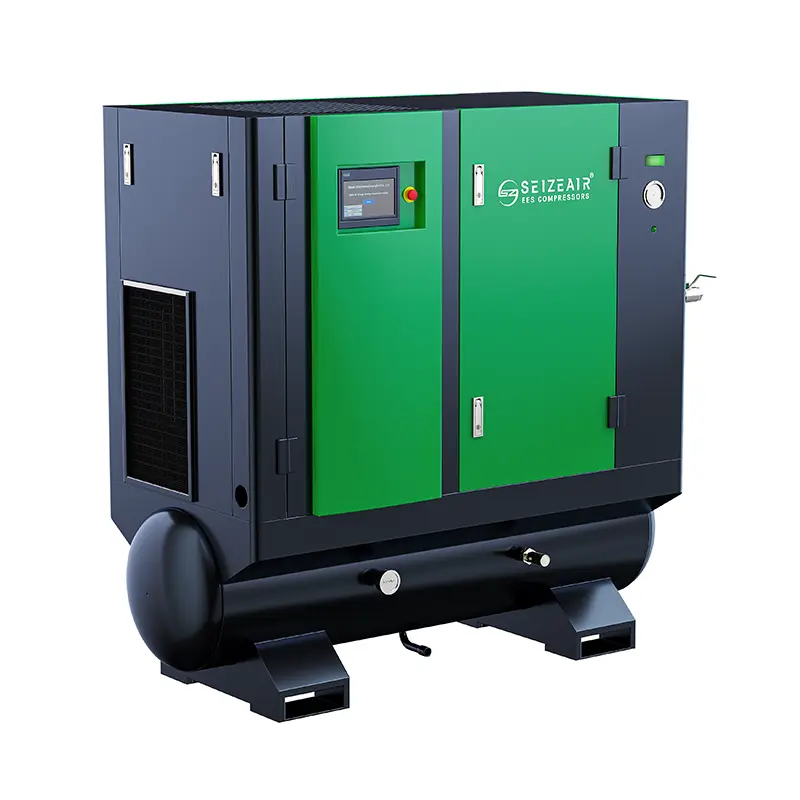
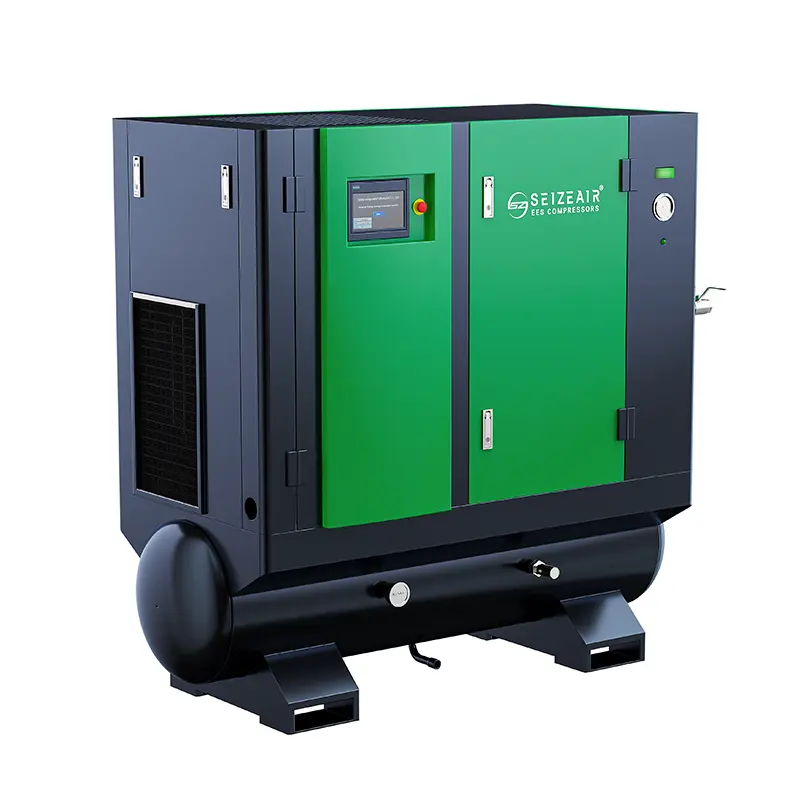
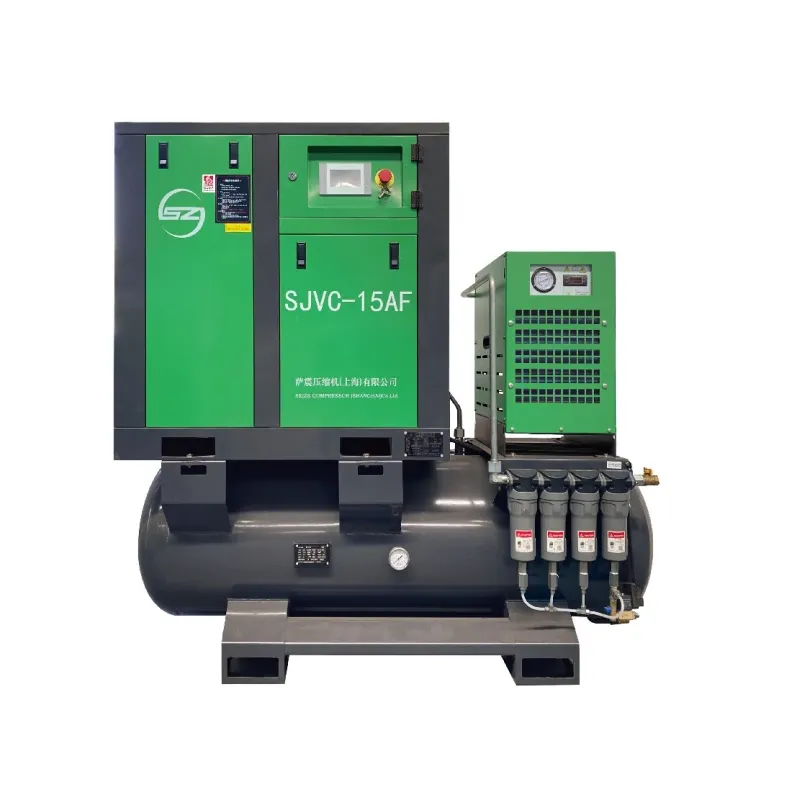
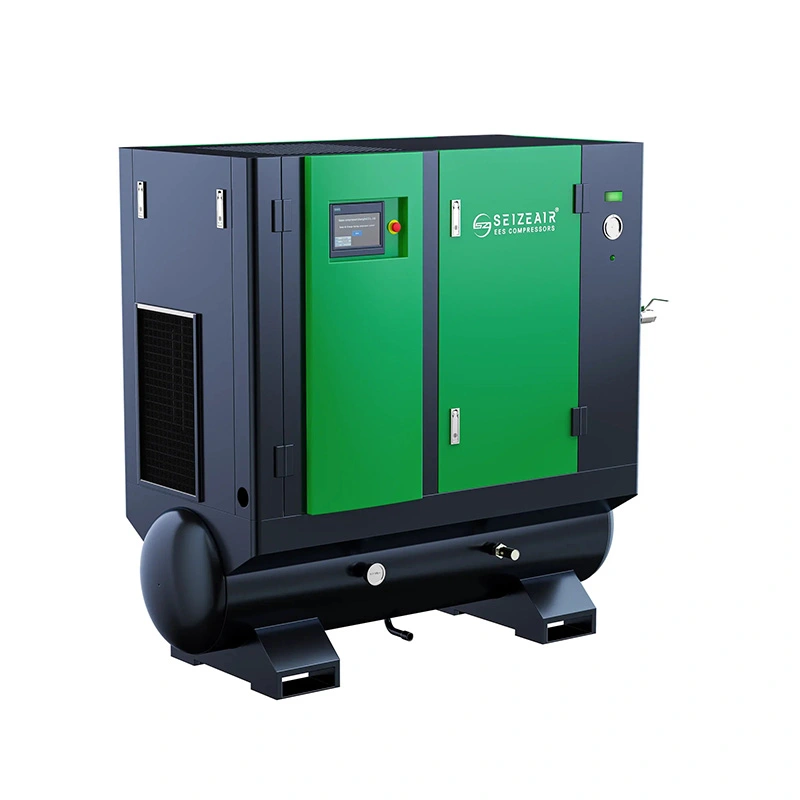
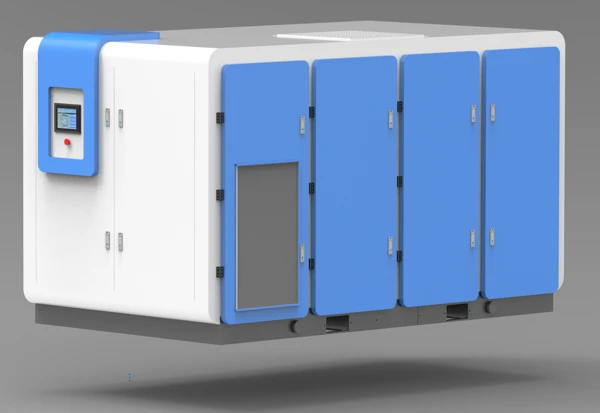
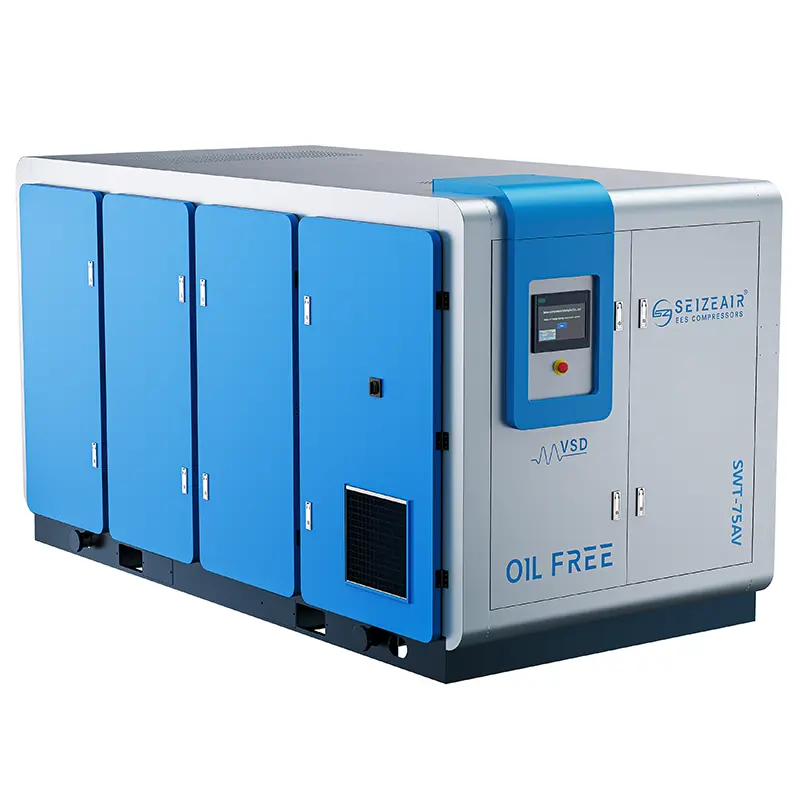
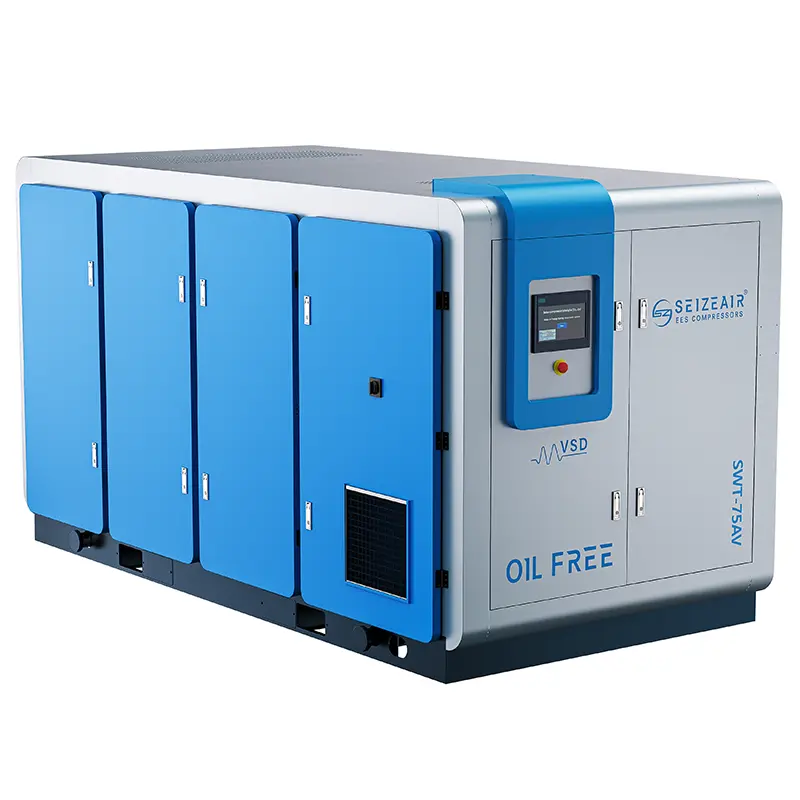
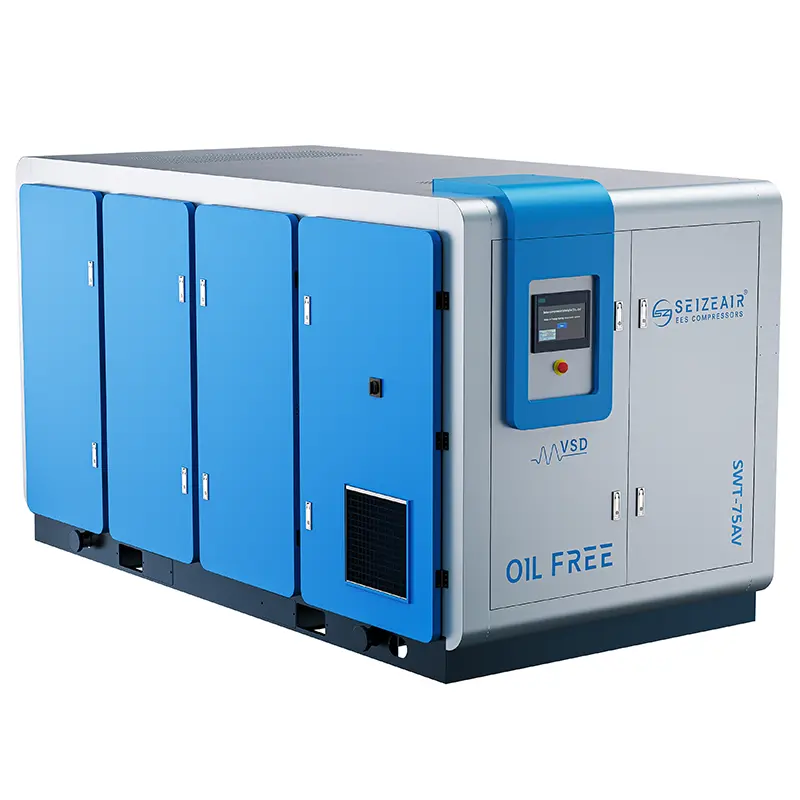
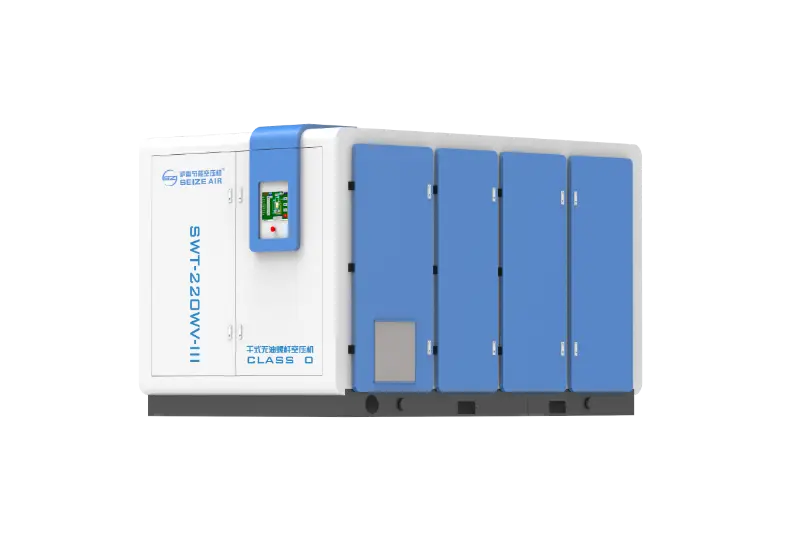
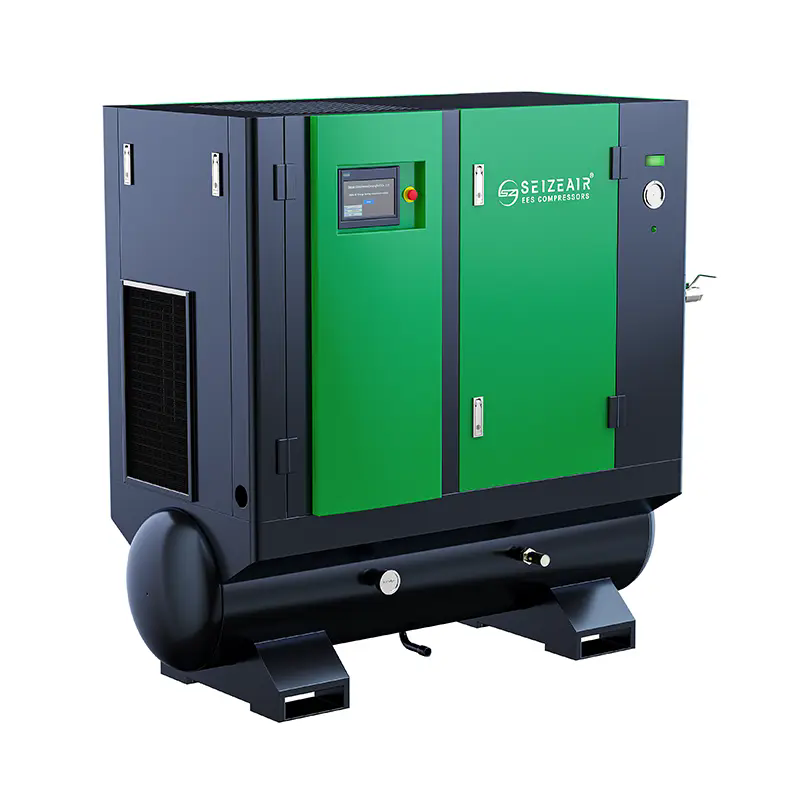
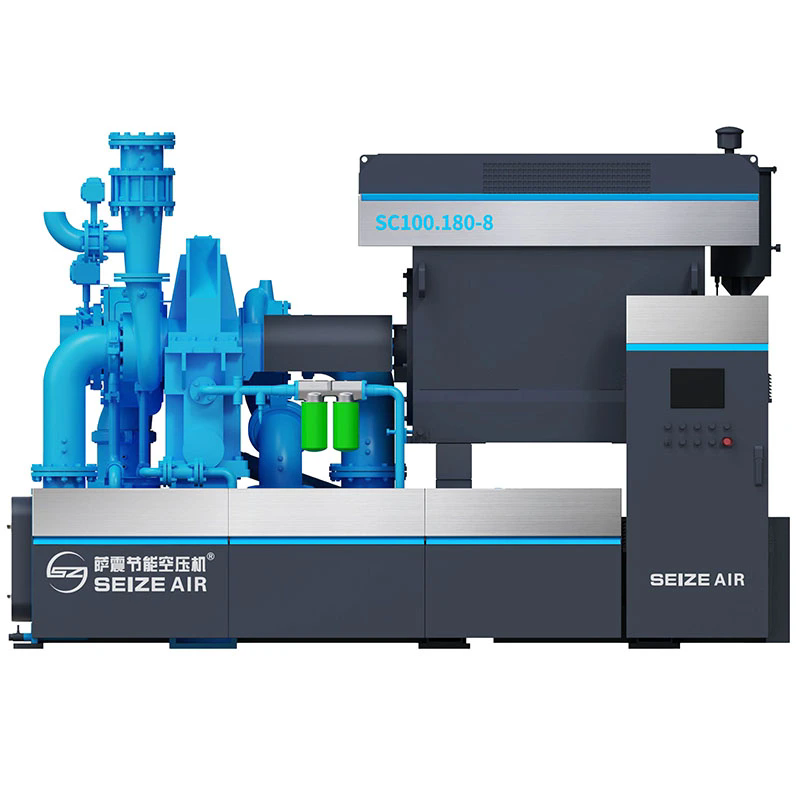
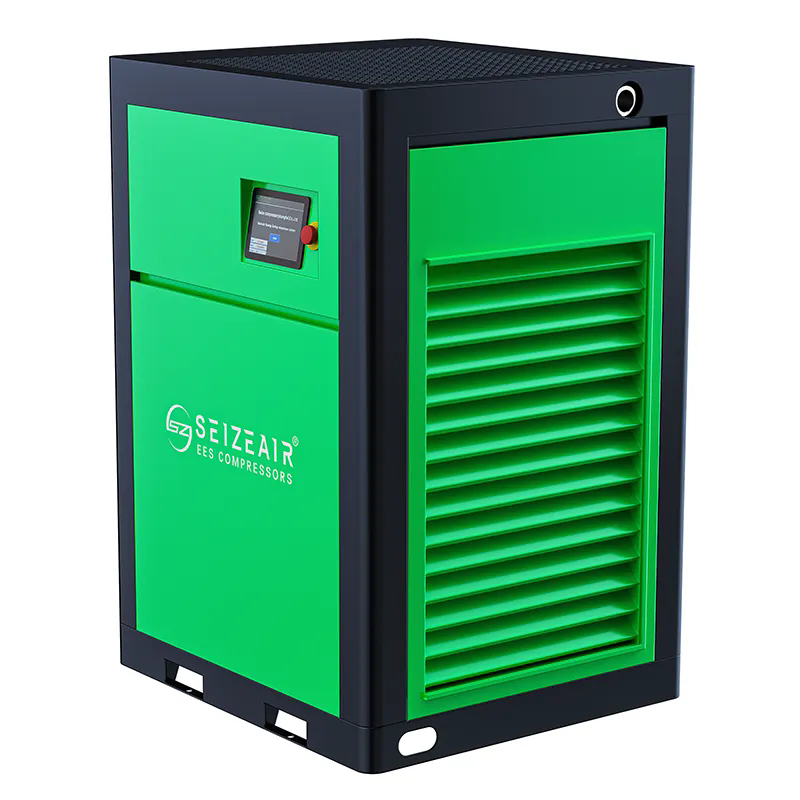
Industrial Fixed-Speed Dry Type Oil-Free Screw Air Compressor
  • Industrial Fixed-Speed Dry Type Oil-Free Screw Air CompressorIndustrial Fixed-Speed Dry Type Oil-Free Screw Air Compressor
  • Industrial Fixed-Speed Dry Type Oil-Free Screw Air CompressorIndustrial Fixed-Speed Dry Type Oil-Free Screw Air Compressor
  • Industrial Fixed-Speed Dry Type Oil-Free Screw Air CompressorIndustrial Fixed-Speed Dry Type Oil-Free Screw Air Compressor
  • Industrial Fixed-Speed Dry Type Oil-Free Screw Air CompressorIndustrial Fixed-Speed Dry Type Oil-Free Screw Air Compressor
  • Industrial Fixed-Speed Dry Type Oil-Free Screw Air CompressorIndustrial Fixed-Speed Dry Type Oil-Free Screw Air Compressor
  • Industrial Fixed-Speed Dry Type Oil-Free Screw Air CompressorIndustrial Fixed-Speed Dry Type Oil-Free Screw Air Compressor

Industrial Fixed-Speed Dry Type Oil-Free Screw Air Compressor

Industrial Fixed-Speed Dry Type Oil-Free Screw Air Compressor for stable industrial base demand, with two-stage dry compression, pressure-specific airflow data and air- or water-cooled package options.

Industrial Fixed-Speed Dry Type Oil-Free Screw Air Compressor brings dry, two-stage screw compression to industrial air systems with a substantial, steady demand. Use the model tables below to match delivered airflow, operating pressure and cooling services before comparing equipment prices. SEIZE AIR combines an oil-free compression chamber with separately lubricated drive components, giving production teams a clear starting point for planning process air and its downstream treatment.

1. Start with the process, then select the compressor

A compressor purchase becomes much clearer when the enquiry describes what the air must do. An actuator operating outside a production enclosure, air blowing across a finished surface and air entering a process vessel present different quality questions. The dry screw compression principle addresses oil injection within the compression chamber. The finished air system also needs appropriate control of particles, water and contaminants already present at the intake.

For a factory with a dependable base demand, fixed-speed compression is a practical configuration to evaluate. Its usefulness depends on how often the machine can deliver productive loaded air, how the control system responds when demand falls and how it shares duty with other compressors. A larger motor rating alone does not establish a better match.

This page focuses on the two-stage SWT fixed-speed models listed in the SEIZE AIR dry oil-free catalogue, rather than combining specifications from different compressor families. It gives a procurement team a usable equipment shortlist and gives maintenance colleagues the interfaces they need to examine: outlet connection, cooling services, package dimensions, condensate handling and control coordination.

Define air quality where the product actually uses it

Start the air-quality discussion at the point of use. Identify whether compressed air touches ingredients, packaging interiors, sensitive components or only the machinery that moves them. Record the quality specification used by the process owner, the sampling position and the operating conditions under which compliance will be assessed. This prevents a disagreement later about whether a test at the compressor outlet represents the final production connection.

An oil-free compressor is one part of that specification. Moisture can condense as compressed air cools; particles can enter through the intake or distribution system. Drying, filtration, drain arrangements and clean distribution remain part of engineering the installation. Where the application requires sterile air or another special treatment, identify that requirement explicitly in the system enquiry.

For procurement, separate the equipment description from the acceptance requirement. Specify dry, oil-free compression for the compressor, then list the required delivered-air quality for the complete installation. The resulting proposal can show how each component contributes, who supplies it and where the finished system will be tested. That is far more useful than asking whether a machine is simply suitable for an entire industry.

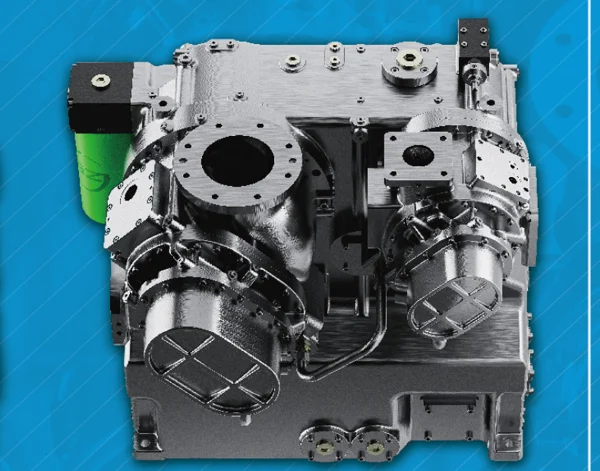
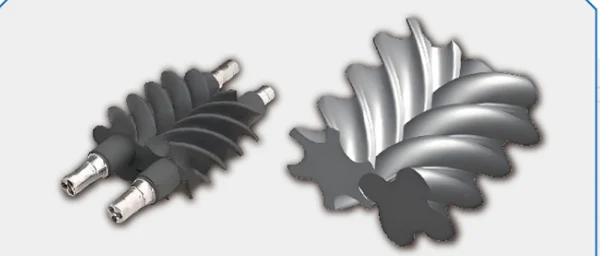
Two-stage dry screw airend illustration from the SEIZE AIR catalogue
Two-stage dry airend: compression stages and connecting air path.

Build a demand profile from production activity

A stable total airflow can hide very different patterns within the plant. Some users operate continuously, others cycle with packaging or assembly, and some consume air only during cleaning. Group these activities by production state: normal manufacture, reduced output, changeover and shutdown. Compare demand records with those states so the base duty reflects useful production rather than unmanaged leakage.

Use records from the same operating period when comparing flow and pressure. A pressure trace taken during full output and an airflow estimate from an idle shift do not describe the same duty. Include the location of each measurement, because a reading near a compressor receiver may not represent conditions at the most demanding production connection.

The result should identify a sustained base requirement, changes around it and the pressure needed at the critical user. It should also show whether future production is committed or merely possible. This distinction helps avoid buying a larger fixed-speed package to serve an uncertain expansion while the current plant spends much of its time below the intended operating duty.

2. Where fixed-speed duty fits in an industrial air station

The Industrial Fixed-Speed Dry Type Oil-Free Screw Air Compressor is best evaluated as part of an operating air station. A plant with a steady base requirement can assign that duty to a fixed-speed unit while another machine or a coordinated station controller manages changing demand. The important question is which machine carries the base and which responds to variation.

Compare control arrangements before choosing between the fixed-speed dry oil-free range and the variable-speed dry oil-free range. The former should be assessed against loaded operating duty and station sequencing; the latter introduces a different speed-control strategy. Match the control method to measured demand instead of treating either label as an automatic efficiency result.

Keep reserve capacity distinct from routine duty. A standby machine may be necessary for production continuity, but it need not run alongside the duty unit at all times. Define the conditions for starting reserve capacity, transferring duty and recovering after an interruption. Those decisions affect operating behaviour as much as the equipment nameplate.

Specify how machines share the pressure band

In a multi-compressor room, several machines responding independently to the same pressure change can produce avoidable switching or unloaded operation. Prepare a station sequence showing the normal duty unit, the responding unit and the reserve unit. Explain how the sequence changes when a machine is unavailable. The control proposal should make this sequence understandable to the plant team.

Compare pressure at the station with pressure at the critical process while demand changes. If the station pressure remains acceptable but a production connection loses pressure, investigate treatment and distribution before increasing the compressor setting. Filters, dryers, isolation valves and undersized branches can separate the two readings. Correcting a restriction may change the equipment specification that would otherwise have been requested.

Where existing compressors will remain, include their control interfaces and operating condition in the enquiry. A new machine has to work with that installed system. The SEIZE AIR catalogue describes controller communication interfaces including RS485, Ethernet and USB; the project discussion should establish which interfaces and station functions are included in the offered configuration.

Use lifecycle comparisons with matching boundaries

Compare offers at the same pressure, airflow reference and supply boundary. Compressor-only quotations and complete-station quotations can include different drying, filtration, cooling and control equipment. List these items explicitly so a lower initial price does not conceal a separate utility project or a missing treatment stage.

For operating-cost comparisons, distinguish the motor power shown in the model table from measured complete-package electrical input. Motor rating identifies the listed equipment size. A site energy assessment needs the relevant package input and operating duty, including loaded and unloaded periods. Describe the measurement boundary before interpreting any cost calculation.

Evaluate maintenance access and production risk alongside energy use. Ask how service isolation works, how equipment can be removed and how the plant retains air during planned work. A proposal that explains the operating sequence and service arrangement lets purchasing, engineering and maintenance review the same installation. That shared understanding is a stronger basis for approval than a general statement about long-term economy.

3. Inside the dry, two-stage compression package

The airend uses successive compression stages. The catalogue illustrates the rotor arrangement and the connecting air path, with cooling equipment managing the heat associated with compression. Separating these functions makes the package easier to discuss: the airend compresses the air, the cooling system removes heat and the treatment train conditions air for the process.

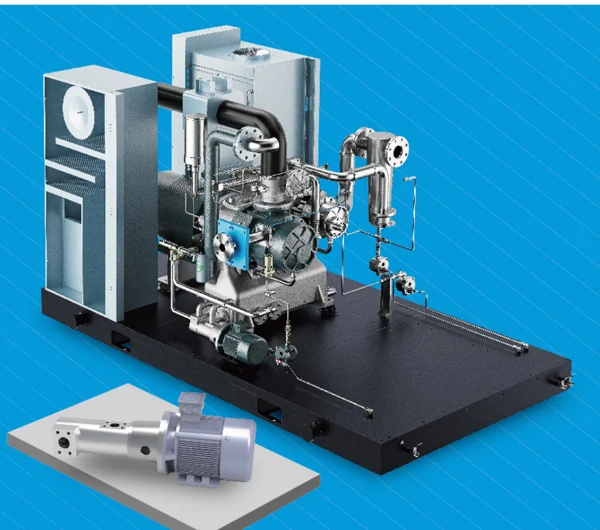
Dry compression means lubricating oil is not injected into the compression chamber. Drive components still require lubrication. The catalogue describes an oil-pump circuit for the gears, bearings and related cooling functions, separated from the compressed-air path. Maintenance planning therefore includes both air-side cleanliness and the condition of the mechanical lubrication system.

This distinction matters for replacement projects. A team moving from oil-injected equipment should review the compressor's lubrication and cooling arrangements rather than assuming that an oil-free package has no oil service requirements. It should also assess existing receivers and distribution for the cleanliness required by the new process-air specification.

Screw rotor illustration in the dry oil-free compressor catalogue
Dry screw rotors illustrated in the product catalogue.

Rotor coating, bearings and drive details

The dry oil-free catalogue identifies a rotor coating incorporating MoS2 and a special coating system, SKF high-temperature bearings and precision gears. These are relevant component details for a technical discussion of the airend. They should be reviewed together with the offered model, maintenance documentation and the service conditions of the proposed installation.

Rotor geometry and the relationship between rotating and stationary parts are central to dry screw compression. For the buyer, the practical consequence is to request the applicable airend documentation, service instructions and parts identification with the proposal. This makes the equipment maintainable as an identified assembly rather than a set of generic descriptions.

When comparing quotations, keep component identification and performance evidence in separate columns. A bearing brand or coating description explains a design choice; the model's pressure and delivered-air data explain the operating duty. Both contribute to the decision, but neither substitutes for the other. This approach also makes technical clarifications more precise when suppliers offer different configurations.

Cooling and controls are working parts of the selection

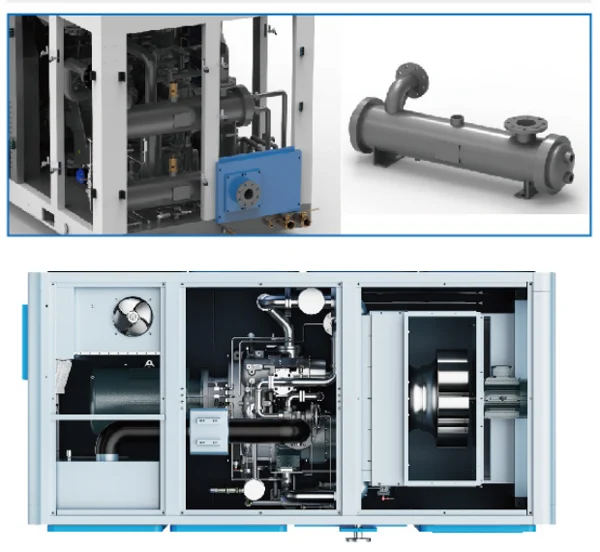
Cooling selection should follow the utilities available at the installation. An air-cooled package needs a planned path for incoming air and discharged heat. A water-cooled package needs a suitable cooling-water service and an agreed connection arrangement. Both require access for inspection and cleaning; neither should be positioned solely by fitting its cabinet outline into the remaining floor space.

The catalogue describes a multilingual controller with temperature and pressure information and communication options. During the proposal review, identify the displayed operating values, alarms, remote signals and control responsibilities needed by the plant. A clear alarm list helps maintenance distinguish a cooling issue, a pressure-control response and a planned stop.

For this fixed-speed enquiry, use the fixed-speed technical schedule. Features described elsewhere for permanent-magnet variable-speed motors or variable-speed fan control belong to their applicable configurations. The purchasing document should identify the actual drive, starting arrangement and controller supplied, so commercial comparisons follow the same technical scope.

Lubrication circuit and oil pump illustration for the dry oil-free series
Separate lubrication supports drive components while the compression chamber operates without injected oil.

Watch the official SEIZE AIR dry oil-free series introduction below for a visual overview of the product family.

4. Technical selection: read pressure and airflow together

Use the Industrial Fixed-Speed Dry Type Oil-Free Screw Air Compressor schedule by matching the required operating pressure first, then comparing free air delivery within that pressure column. The selected rows below come from the fixed-speed two-stage section of the SEIZE AIR dry oil-free catalogue, version 2025.10, printed pages 09–10.

Free air delivery is stated for the complete package according to ISO 1217 Annex C, with absolute inlet pressure of 1 bar and intake air temperature of 20°C. The power column reproduces the catalogue's motor kW listing. It is not a replacement for a complete-package input-power measurement.

These are pressure-specific model selections. A flow value in one column should not be combined with the pressure from another column to describe the same duty. The unlisted 10 bar combination for SWT-37A/W is left as a dash, preserving the selection information in the source table.

Catalogue model Motor kW FAD at 7 bar, m³/min FAD at 8 bar, m³/min FAD at 10 bar, m³/min
SWT-37A/W 37 5.60 5.60 —
SWT-45A/W 45 6.50 6.50 5.50
SWT-55A/W 55 8.50 8.40 6.50
SWT-75A/W 75 12.60 12.60 10.30
SWT-90A/W 90 15.20 15.00 12.50
SWT-132A/W 132 24.50 22.00 19.50

What the flow columns tell a buyer

Consider the SWT-55A/W row: the catalogue lists 8.50 m³/min at 7 bar, 8.40 m³/min at 8 bar and 6.50 m³/min at 10 bar. The model name and motor rating remain the same, but the available flow depends on the selected pressure duty. A requirement close to one of those values needs to be assessed at the actual operating pressure.

The SWT-75A/W row shows another useful distinction. Its listed delivery is 12.60 m³/min at both 7 and 8 bar, while the 10 bar entry is 10.30 m³/min. Do not construct a continuous performance curve by joining these catalogue entries. Use them to identify the relevant duty and request the matching configuration in the quotation.

For a replacement enquiry, compare these rows with the delivered-air requirement of the installation, not only the motor rating of the old compressor. Production changes, pressure losses and air-treatment additions can make an old nameplate a poor guide to the new requirement. The table becomes useful when it is attached to a clearly described operating task.

Cooling choice changes the mechanical package

The mechanical schedule below keeps the same first four model selections together so engineering can compare the two cooling arrangements directly. Dimensions are length × width × height in millimetres, and weights are catalogue package values in kilograms. These are equipment dimensions rather than installation clearances or shipping-crate dimensions.

Check the outlet entry against the selected cooling configuration as well as the model. For SWT-75A/W, the catalogue lists DN80 for the water-cooled package and DN50 for the air-cooled package. A drawing prepared around one arrangement should therefore not be reused unchanged for the other.

The dimensional difference also affects access planning. Receiving doors, turning routes, lifting arrangements and maintenance space should all be checked against the final package drawing. Retain the selected cooling arrangement on the purchase specification and on the installation layout so the equipment schedule and the building work stay aligned.

Model Cooling Air outlet Weight, kg L × W × H, mm
SWT-37A/W Water DN50 2,200 2440 × 1700 × 1660
SWT-37A/W Air DN50 2,300 3050 × 1700 × 1700
SWT-45A/W Water DN50 2,300 2440 × 1700 × 1660
SWT-45A/W Air DN50 2,400 3050 × 1700 × 1700
SWT-55A/W Water DN50 2,400 2440 × 1700 × 1660
SWT-55A/W Air DN50 2,500 3050 × 1700 × 1700
SWT-75A/W Water DN80 3,000 3200 × 1950 × 1810
SWT-75A/W Air DN50 3,100 3450 × 1800 × 1850

Electrical and acoustic information for the enquiry

The catalogue lists standard electrical supply as 380 V, 50 Hz, three-phase, with other voltages available. Include the destination supply, starting arrangement and site electrical requirements in the enquiry. The quoted electrical schedule should identify the offered configuration rather than leaving the installer to infer it from a general catalogue note.

For acoustic assessment, the source table references ISO 2151 measurement at a distance of 1 m with a stated tolerance of ±3 dB. It does not provide a model noise value in these selected rows. Request the applicable acoustic information when the compressor room, working position or building boundary makes sound an acceptance issue.

Keep the same discipline for utilities absent from the selection table. Cooling-water conditions, ventilation requirements, starting current and service clearances belong in the model-specific project documentation. Listing these as quotation deliverables early helps the plant team complete the design without relying on a specification from another package.

Water-cooled and air-cooled heat exchanger illustrations
Cooling arrangements illustrated in the dry oil-free catalogue; choose the package around available utilities.

5. Match the installation to the production task

Process-air purchasing is most effective when the application description identifies the contact point and the consequence of a quality failure. A food plant, an electronics workshop and a packaging facility can all use dry compressed air, but they may require different treatment, distribution and testing arrangements. The following matrix is a planning tool for those conversations.

It also helps decide whether the requested machine belongs in the central air room or whether a separate supply is more appropriate for a critical user. Keeping an application requirement visible avoids applying the strictest process condition indiscriminately to every utility connection, while preserving the required quality where it matters.

Production task Define before selection Installation consequence
Air contacting packaging or product Contact location, quality requirement and sampling method Specify treatment and verification at the relevant point of use
Instrument and actuator supply Required operating pressure and tolerance of interruptions Review receiver, distribution and duty/standby control
Surface cleaning or component drying Particle, moisture and oil requirements at the nozzle Check final filters, dryer duty and downstream cleanliness
Central factory air Simultaneous demand across production states Separate base duty, changing demand and reserve capacity

Replacing an existing oil-injected air supply

A change to dry oil-free compression is also a review of the downstream installation. Identify where the old equipment connects, whether existing treatment will remain and which receivers or branches serve the quality-sensitive users. Legacy distribution condition can affect delivered air even after the compressor has been changed.

Agree the changeover sequence before removing the old machine. Production may need a temporary supply, a controlled isolation period or a staged transfer of users. The engineering scope should define cleaning, inspection and testing of retained components where required by the process specification. This is particularly useful when a central air network serves both ordinary utilities and sensitive applications.

Commissioning should then demonstrate the agreed duty at the relevant connection. Record the compressor configuration, air-treatment arrangement and production condition with the test. This makes the result traceable to the installed system and gives maintenance a baseline for later comparison. It also helps purchasing close the project against deliverables agreed before the equipment arrived.

Choosing the scale and architecture of the air supply

A central two-stage screw package is one option within a broader air-system design. Where a smaller, dedicated supply is being considered, compare the requirements with the oil-free scroll compressor family. The relevant comparison is delivered duty, treatment, available space and operating pattern, rather than the compressor principle alone.

Within the fixed-speed dry range, the existing electronics-focused product page provides another application entry point. This page adds pressure-by-pressure selection and cooling-package planning for general industrial procurement. Choose the supporting information that matches the actual process rather than treating an industry label as a complete specification.

For a new station, identify planned expansion separately from the initial operating requirement. A modular layout, clear distribution interfaces and a defined reserve strategy can preserve future options. The compressor selection should still support the production duty that will exist when the installation starts operating.

6. SEIZE AIR manufacturing and the equipment handover

SEIZE AIR is the brand of Seize Compressor (Shanghai) Co., Ltd., a Shanghai-based manufacturer founded in 2009. Its dry oil-free product literature describes the compression assembly, lubrication system, cooling options and controller alongside pressure-specific model data. Those details give a buyer a practical basis for discussing the supplied package with the factory.

For an air compressor manufacturer in China, a useful export proposal connects the technical selection to the documents required at destination. Identify the selected model, electrical arrangement, cooling configuration and connection details on the offer. Where a project requires certification or specific conformity documents, list those deliverables and their applicable scope in the enquiry.

The same approach supports inspection planning. Define which checks form part of the order and which results are needed for acceptance. A clearly written schedule lets the buyer and supplier discuss the same equipment and avoids replacing a technical acceptance plan with a general claim about quality.

Turn an inspection request into a usable acceptance schedule

Begin with identity and configuration: model, serial identification, nameplate information and the agreed supply scope. Follow with the relevant mechanical and electrical interfaces, including the selected cooling arrangement. These checks establish that the delivered package is the one used for installation design.

For a performance review, specify pressure, flow reference, measurement method and electrical measurement boundary. Include the intended test arrangement and required report format in the order discussion. Comparing a catalogue FAD value with a measurement taken at an undefined downstream location can create confusion about treatment losses, system leakage and the condition of production users.

Review the control functions with the operating team as well. Alarms, stop sequences, remote interfaces and duty transfer need to be understood before the machine is relied on for production. An acceptance schedule that covers these functions creates a better handover than a document focused only on appearance and motor size. The final agreed scope should identify responsibilities for compressor checks and complete-system commissioning.

Documents that make maintenance easier after delivery

Ask for the model-specific operating instructions, electrical drawings, consumables identification and maintenance schedule as part of the equipment handover. Match those documents to the installed configuration so the maintenance team does not have to choose between different cooling or control arrangements during a service event.

Keep a local equipment file that connects the final drawing, serial identification and commissioning baseline. Include any site-specific control sequence and the location of air-treatment and drain components. This record helps later maintenance distinguish an equipment change from a change in the production air network.

For overseas procurement, discuss the spare-parts scope and support arrangement before purchase. Provide the destination and local maintenance capability so the quotation can address the appropriate documentation and parts needs. Warranty terms, service responsibilities and commercial conditions belong in the agreed order documents. Clear ownership of these items helps both teams resolve questions promptly once the installation is operating.

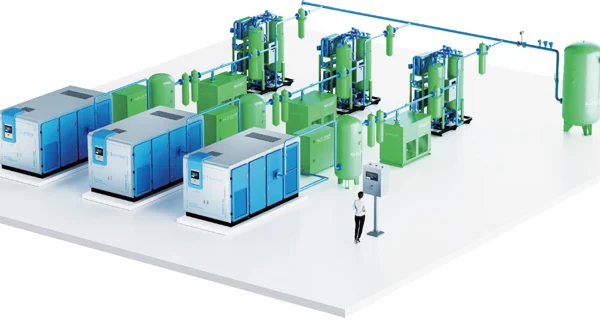
Conceptual compressed-air station layout from the SEIZE AIR catalogue
Conceptual air-station layout for discussing compressor, treatment and distribution interfaces; not a customer installation photograph.

7. Plan the room, commission the system, diagnose at the right point

Installation planning starts with the final arrangement drawing and the selected utility interfaces. Mark the incoming electrical route, compressed-air outlet, cooling connections, condensate discharge and access paths on the room plan. Add the downstream treatment equipment rather than treating it as space to be found after the compressor is positioned.

For air cooling, keep intake and exhaust routes distinct so discharged heat does not readily return to the cooling intake. For water cooling, define the water service and its operating conditions before finalising pipework. In either case, identify how cooling surfaces can be inspected and cleaned without disrupting unrelated equipment.

Use the model-specific instructions for environmental limits and installation clearances. The dimensions above describe the package envelope; they do not include the space needed for safe service, electrical work or component removal. Confirm that receiving and maintenance routes remain usable after the air station and surrounding services have been installed.

Commission from the utility boundary to the process connection

Before startup, confirm the supplied electrical arrangement against the project schedule and check the cooling and discharge connections against the installation drawing. Verify that isolation, drains and downstream treatment are ready for the intended operating sequence. Startup work should follow the applicable equipment instructions and the responsibilities agreed for the project.

During commissioning, observe the system through representative production states. Record station pressure, pressure at the critical user, treatment condition and compressor operating state together. This connects the machine's response to the air requirement rather than producing isolated readings with no operating context.

Complete the handover with a baseline that maintenance can repeat. Identify the measuring positions and retain the selected settings, alarm information and equipment configuration. Where delivered-air quality is an acceptance requirement, attach the agreed point-of-use test results to that record. The combination of configuration, operating condition and measured result is what makes a future comparison useful.

Find the cause before changing the pressure setting

When production reports an air problem, first establish where the change appears. A low reading at a remote machine and a low reading at the compressor outlet suggest different investigation paths. Record the production state with the observation so a temporary demand event is not mistaken for a permanent loss of capacity.

The table below separates pressure, cooling and air-quality symptoms. It is intended to help the plant team prepare useful information for maintenance and technical support. Equipment alarms and interventions should follow the model-specific instructions, particularly where access to hot, electrical or pressurised components is involved.

Observed symptom Compare or measure Likely investigation path Useful next information
Station pressure holds; remote user slows Pressure before and after treatment and along the affected branch Filter/dryer restriction, valve position or distribution loss Production state and locations where pressure diverges
Several users lose pressure together Station pressure, compressor state and simultaneous demand Demand increase, unavailable duty capacity or control sequence Loaded/unloaded state and which machines were available
Cooling-related alarm or temperature change Controller information and cooling-service condition Heat recirculation, exchanger cleanliness or water-service change Alarm history, cooling arrangement and utility observations
Moisture reported at a production connection Dryer operation, drain function and sampling location Treatment condition, condensate removal or downstream cooling Point of observation and operating condition
Unloaded operation continues during low production Demand profile and station sequence Base-duty mismatch, leakage or pressure-control interaction Operating-state record aligned with production activity

8. Procurement questions worth settling before the order

The Industrial Fixed-Speed Dry Type Oil-Free Screw Air Compressor enquiry should connect process requirements with a specific model and package arrangement. The questions below address decisions that commonly affect the equipment schedule, installation scope and acceptance plan. They also help a purchasing team obtain comparable quotations without having to translate broad marketing descriptions into engineering requirements.

Does oil-free compression remove the need for a dryer?

No. Oil-free describes the compression process; it does not remove water vapour from intake air. As compressed air cools, moisture management remains a system requirement. Select the drying and drain arrangement around the required delivered-air condition and the environment in which the distribution and end users operate.

State the required air quality at the process connection and include the intended treatment scope in the enquiry. That allows the compressor and treatment equipment to be considered together, rather than adding a dryer after the package has already been selected and the pressure budget fixed.

Can the machine serve a plant with changing demand?

It can form part of a coordinated air station, particularly where it carries a substantial base duty. Evaluate how the station handles the changing part of demand, how reserve capacity enters service and how the machines avoid conflicting responses to pressure changes. The appropriate arrangement follows the operating profile.

If the proposed fixed-speed package would spend much of its routine duty unloaded, review the size and station strategy. Compare the actual operating task with the available control configurations before committing to the motor rating. Keep production continuity and reserve requirements visible during that review.

Should we choose air cooling or water cooling?

Choose around available utilities, room heat management and maintenance access. Air cooling places heat rejection into the room ventilation design. Water cooling introduces a water-service requirement that must be compatible with the offered package. The selected arrangement also changes the mechanical schedule, as the model table shows.

Provide the installation location and available services with the enquiry. Ask for the final arrangement drawing and utility schedule for the chosen configuration before completing room construction or ordering connecting pipework.

What should an enquiry contain?

Send the required pressure at the critical user, measured or documented airflow demand, production operating pattern and required air quality. Include destination electrical supply, preferred cooling arrangement, available installation space and any existing compressors that will remain in service. Identify the treatment and station-control scope you want included.

Add the acceptance documents and destination requirements that purchasing needs for approval. With those inputs, contact SEIZE AIR for a model-specific proposal that connects the selected compressor, its utility interfaces and the complete air-system duty. This gives engineering a clear package to review and purchasing a defined basis for comparing the final order.

Send Inquiry
Contact Info
For inquiries about Oil-Injected Screw Air Compressor, Oil-Free Screw Air Compressors, Gear-Type Centrifugal Air Compressor or price list, please leave your email to us and we will be in touch within 24 hours.
X
We use cookies to offer you a better browsing experience, analyze site traffic and personalize content. By using this site, you agree to our use of cookies. Privacy Policy
RejectAccept